Climate Variations Across South America and Their Influence on Football Leagues Plus Equestrian Events
Written by Avery Flores · Oct 31, 2026
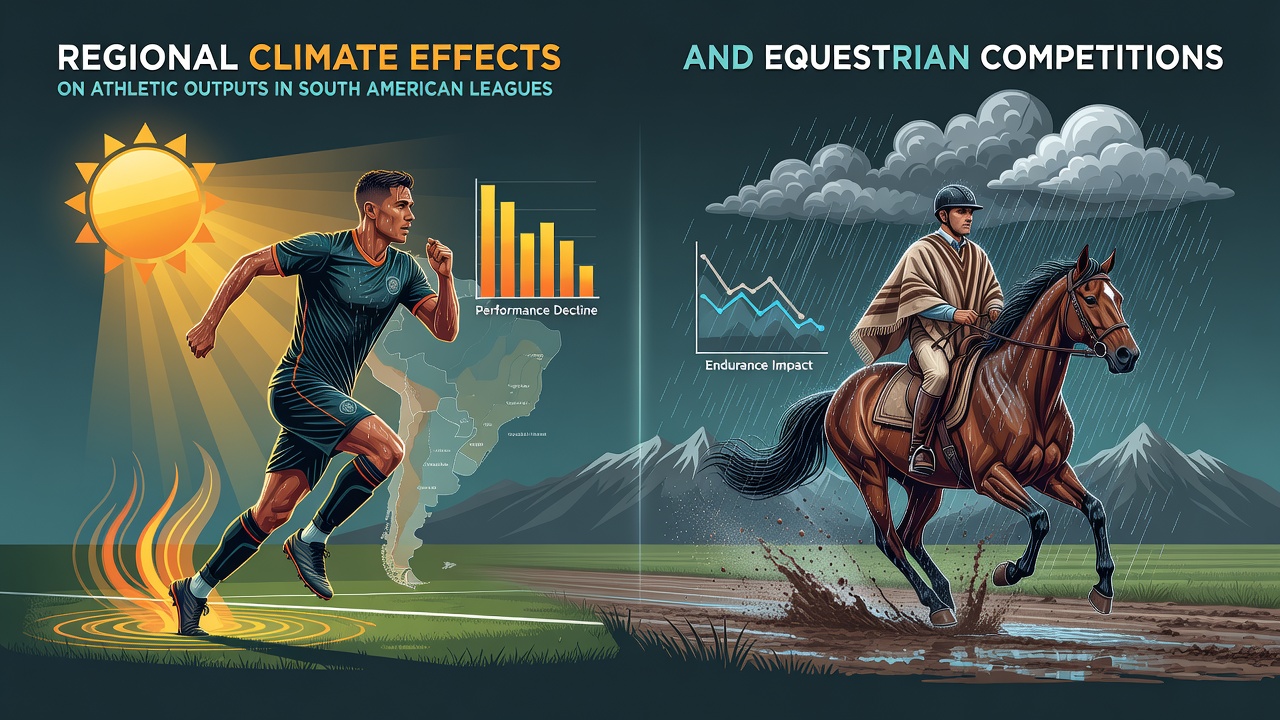
Climate Variations Across South America and Their Influence on Football Leagues Plus Equestrian Events
Regional climate patterns shape athletic performance across South American football leagues and equestrian competitions in measurable ways, with temperature, humidity, altitude, and precipitation creating distinct challenges for athletes and animals alike. Data from meteorological agencies and sports science studies document these effects consistently over recent decades.
Geographic Climate Zones and Their Characteristics
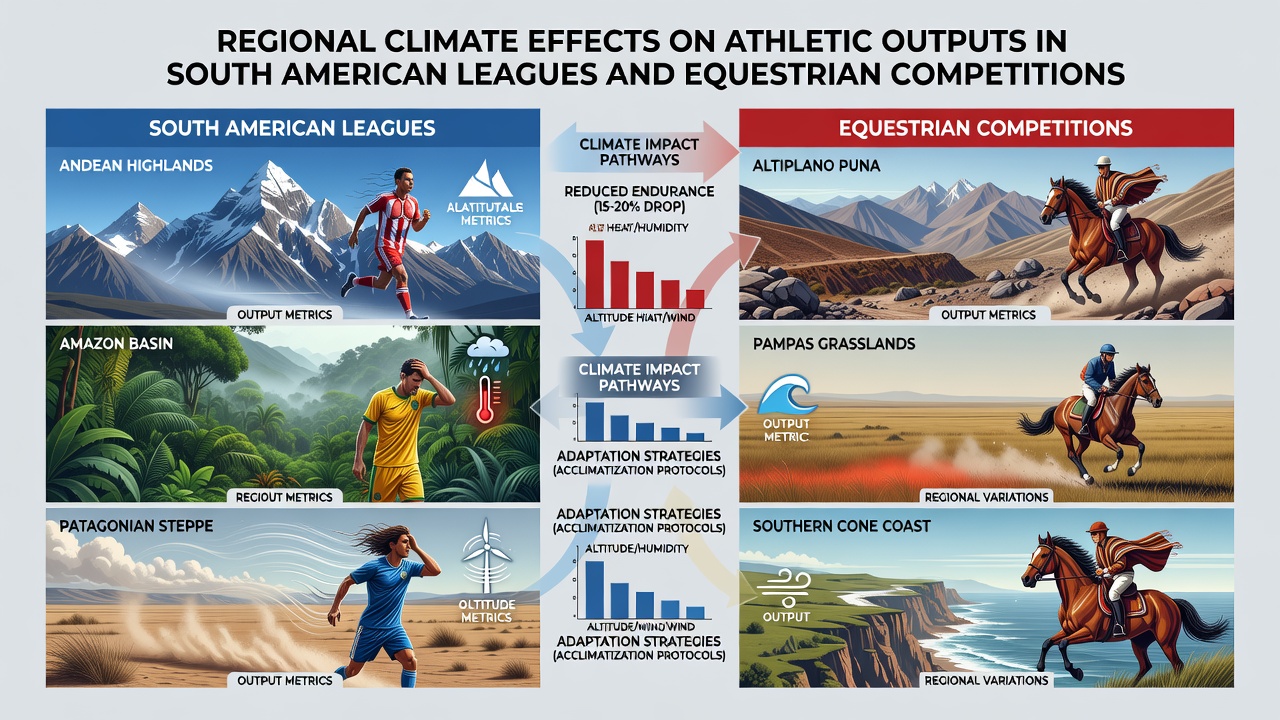
South America spans multiple climate zones that directly affect training schedules and competition outcomes. The Amazon basin maintains high humidity levels above 80 percent year-round along with temperatures between 25 and 35 degrees Celsius, while the Andean highlands feature lower oxygen availability at elevations exceeding 3,500 meters. Coastal regions along the Pacific and Atlantic experience moderate temperatures moderated by ocean currents, yet they encounter seasonal wind patterns that influence ball trajectory in football and horse stamina during races. Southern areas such as Patagonia bring colder conditions with frequent wind gusts reaching 60 kilometers per hour, particularly during winter months that extend into October in some years.
Documented Effects on Football League Performance
Football matches in leagues such as Brazil's Serie A and Argentina's Primera Division show performance variations tied to local climate conditions. Teams playing at high altitude venues like those in Bolivia experience reduced oxygen uptake, which studies link to decreased sprint distances and lower pass completion rates in the second half of matches. Research conducted by the University of São Paulo indicates that players in humid equatorial zones maintain heart rates 10 to 15 percent higher than counterparts in temperate zones during equivalent workloads, leading to earlier onset of fatigue. Precipitation patterns also alter field conditions, with heavy rainfall in the Brazilian northeast during certain seasons increasing slip rates and changing tactical approaches toward shorter passes. October 2026 data from regional weather services highlighted above-average rainfall in parts of the Amazon affecting several scheduled fixtures and requiring adjustments to match preparation protocols.
Impacts on Equestrian Competitions
Equestrian events throughout South America, including those in Chile, Argentina, and Brazil, demonstrate climate sensitivity in both equine physiology and rider decision-making. High temperatures combined with humidity reduce horse recovery times between events, as core body temperatures rise faster under these conditions according to veterinary research from the University of Buenos Aires. Altitude presents separate challenges, with lower air density affecting respiratory efficiency in horses competing at venues above 2,500 meters. Wind exposure in open Patagonian tracks increases energy expenditure during jumps adn dressage movements, while colder temperatures require additional warm-up periods to prevent muscle strain. Studies tracking competition results over multiple seasons show measurable differences in completion times and fault rates that correlate with daily weather readings recorded by national equestrian federations.
Adaptation Strategies Observed in Practice
Coaches and trainers implement specific adjustments based on regional climate data. Pre-cooling protocols using ice vests appear in humid zones before matches, while altitude training camps help teams prepare for high-elevation fixtures. Equestrian centers install climate-controlled stables and schedule events during cooler morning hours when temperatures permit. Nutrition plans incorporate increased electrolyte monitoring in hot regions, and hydration stations multiply along racecourses during peak heat periods. These measures emerge from accumulated performance records maintained by league organizations and veterinary associations across the continent.
Supporting Data Sources and Research Findings
Long-term records compiled by the National Oceanic and Atmospheric Administration reveal shifting temperature baselines across South American climate stations, with several regions recording increases of 0.8 to 1.2 degrees Celsius since the late 20th century. A collaborative report from the Sports Science Institute of South Africa examined cross-continental athletic outputs and noted consistent patterns in endurance metrics that align with local environmental conditions. Separate analysis from Australian sports research bodies compared heat acclimatization programs and their transferability to South American contexts, confirming physiological benefits for both human athletes and competition horses.
Conclusion
Climate factors continue to influence outcomes in South American football leagues and equestrian competitions through established physiological mechanisms and environmental variables. Ongoing collection of performance data alongside meteorological observations provides the foundation for understanding these relationships and refining preparation methods accordingly.